The biggest pros of private money lending are speed, approval based on the deal instead of your tax returns, and rehab money released in draws. The biggest cons are a higher rate and points, short terms and the need for a clear plan to pay the loan back. For Wichita investors flipping or buying properties that need work, the speed and flexibility usually outweigh the cost. For long, slow holds without a refinance plan, they often don't. Here's how to tell the difference before you take a private money loan in Wichita.
1. The Short Answer
Pros
Close in days, not weeks
Approval based on the deal
Rehab money released in draws
Funds distressed properties banks won't touch
Local decision makers
Cons
Higher interest rate than a bank
Origination points and closing fees
Short terms, often months, not years
You need a clear exit
Less room if the market turns
2. The Pros
Speed. Good deals in Wichita don't wait. Seek First Capital can clear to close in as little as 3 days on qualifying deals, so your offer can compete with cash buyers.
Deal based approval. A bank starts with your W-2s and debt to income ratio. A private lender starts with the purchase price, rehab budget, after repair value and your exit.
Rehab money in draws. Fix and flip loans can cover up to 100% of purchase and rehab on qualifying deals, up to 70% of ARV, with rehab funds released as the work gets done.
Distressed properties. Banks want move in ready houses. Private lenders fund the houses that need a roof, a furnace and new floors, which is where the profit usually is.
Local decision makers. When something changes mid project, you can call the people who approved your loan.
3. The Cons
Higher rate and points. Private money costs more than a bank loan. Costs are usually an interest rate plus origination points and a few closing fees, and they depend on the deal, the leverage and your experience.
Short terms. Private loans are built to be paid off when you sell or refinance, not carried for years.
You need a clear exit. If you can't sell or refinance on time, extensions add cost.
Less room if the market turns. Higher carrying costs mean a slower sale eats into your profit faster. Wichita has been steady: according to Zillow, the typical home value was about $204,800 as of September 30, 2026, up 2.3% over the past year. Still, plan for a sale that takes longer than you hope.
4. When Private Money Is the Right Call
Fix and flips. Short hold, big value add. See our fix and flip loans.
BRRRR deals. Buy and rehab with short term money, then refinance once the property is rented. See BRRRR financing.
Bridge situations. You need to close before another property sells or before long term financing is ready. See bridge loans.
Auctions and tight deadlines. When the closing date won't move.
Competing with cash offers. A fast, certain close can win a deal even when your offer isn't the highest.
5. When It Isn't
Thin margins. If the profit only works with a perfect rehab and a perfect sale, the cost of private money can erase it. Run the 70% rule first.
Long holds without a refinance plan. If you plan to keep the property, know before you buy how you'll move into long term financing, such as a DSCR rental loan or portfolio financing for several properties.
Move in ready properties with no rush. If a bank can do the deal and you have time, a bank will usually be cheaper.
6. Run the Numbers: A Wichita Flip With Private Money vs. Waiting on a Bank
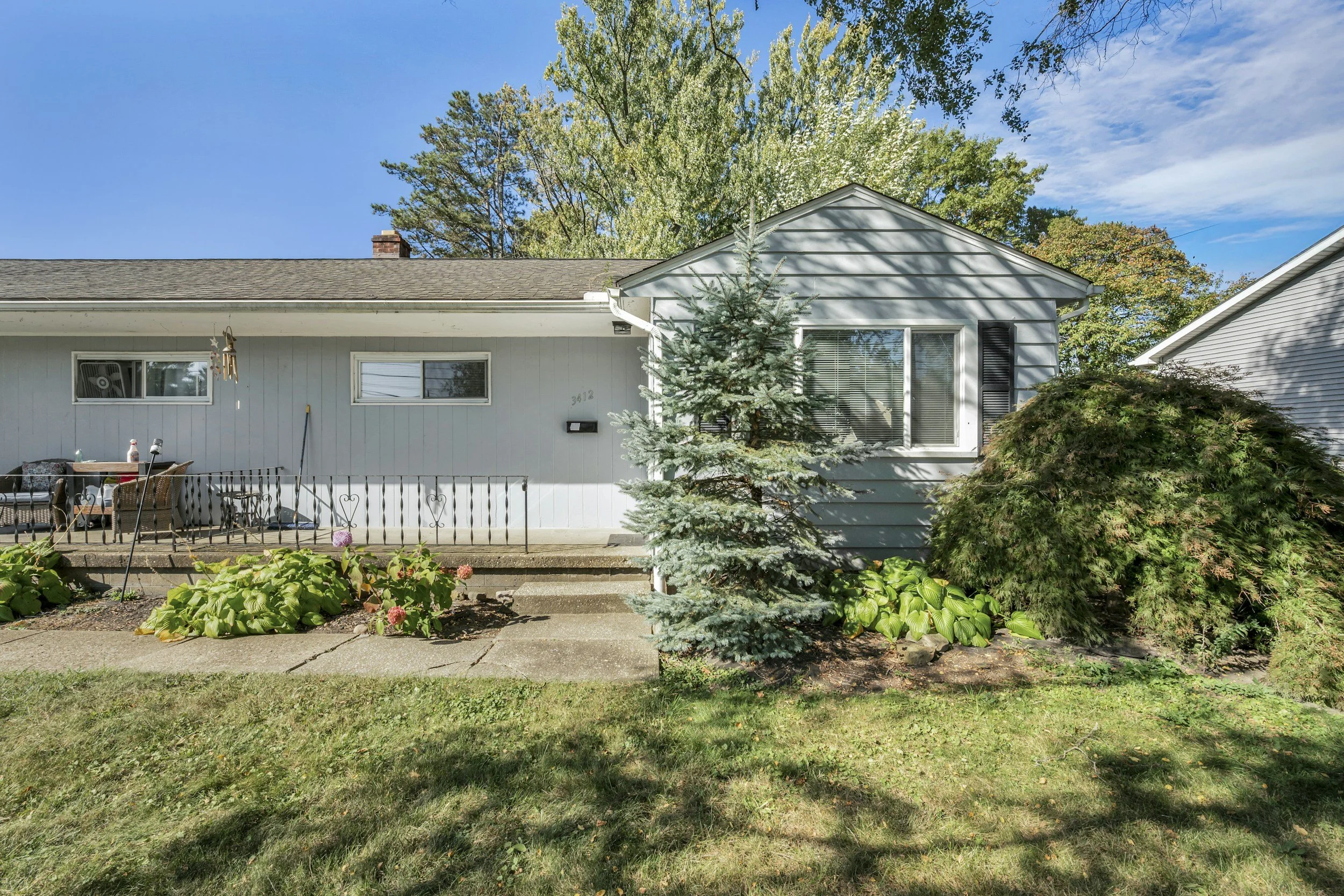
Say you find a three bedroom ranch in Wichita with an ARV of $200,000 based on recent nearby sales. The purchase price is $110,000 and the rehab is $30,000, for a total cost of $140,000, right at 70% of ARV.
With private money: you close in about a week, start the rehab right away with draws covering the work, and list the house as soon as it’s finished. You pay a higher rate and points than a bank would charge, but only for the few months you hold the property, and the deal actually happens.
Waiting on a bank: many banks won't lend on a house that needs $30,000 of work, and the ones that will may take weeks to close. In the meantime, a cash buyer takes the deal. The cheaper loan doesn't help if you never get the house.
For a deeper look at what private money costs, read how private money loans work in Wichita. To compare all three options side by side, see hard money vs. private money vs. a bank loan.
7. How to Lower the Cost of Private Money
Build experience. Pricing depends partly on your track record, and each finished project helps.
Bring more equity. Lower leverage usually means better terms.
Finish faster. A tight scope of work and a reliable contractor cut your carrying cost.
Build a repeat relationship. Lenders reward investors who close clean deals again and again.
Scale smart. Builders ready to grow can look at new construction loans, which can cover up to 100% of construction costs on qualifying projects.
Frequently Asked Questions
Is private money more expensive than hard money?
Not necessarily. The two terms are used almost interchangeably, and both are short term loans based on the property. Cost depends on the deal, the leverage and your experience more than on the label.
Can I refinance out of a private loan?
Yes. Refinancing into a long term rental loan, such as a DSCR loan, is one of the most common exits, especially on BRRRR deals.
What happens if my rehab runs long?
Talk to your lender early. Many private lenders can extend a loan, usually for a fee. Building a cushion into your timeline is the best protection.
Is private money worth it for a first flip?
It can be, if the numbers work with the full cost of the loan included. Run your deal at the real rate and points before you make an offer.
The Bottom Line
Private money costs more than a bank loan, but it buys you speed, flexibility and the ability to fund properties banks won't touch. It's worth it when the deal has real margin and a clear exit. It isn't when the margin is thin or there's no plan to pay it back.
Want to see how the numbers work on your next deal? Submit your deal or call Seek First Capital at 316-330-3364 to talk with our Wichita team.
